Sunday, May 14, 2006


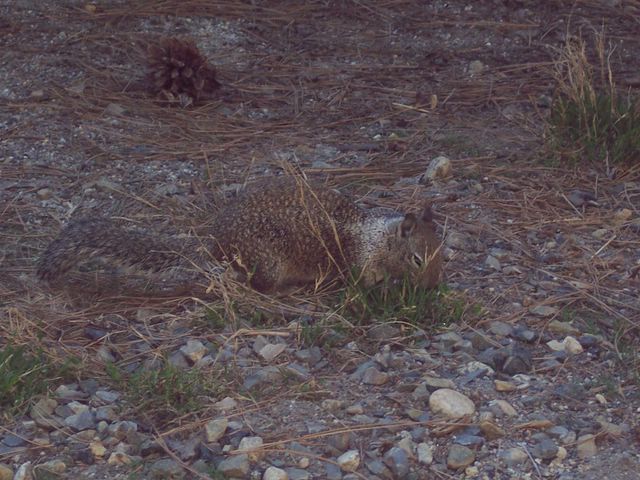
Ground Squirrel - you can't go too far without seeing one of these guys foraging for food

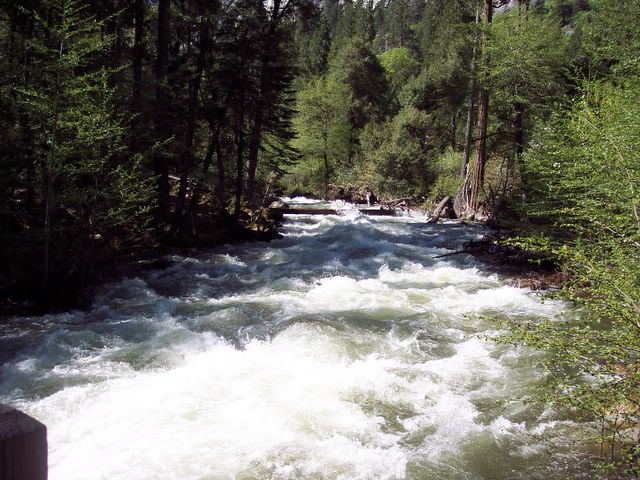
Happy Isles - The Merced River flows around several small "islands" in the middle of the river, creating forks in the river. John Muir, the famed naturalist, called the Merced River one of the most "songful streams" in the world.

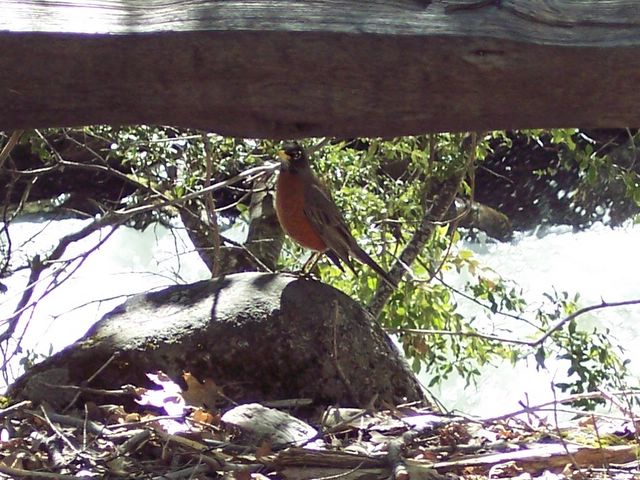
The American Robin (Turdus migratorius) is a migratory songbird of the Thrush family. They have grayish upper body coloring with a bright orange chest, which is usually brighter in the male. This coloring is what gives it its nickname, "Robin Red Breast."

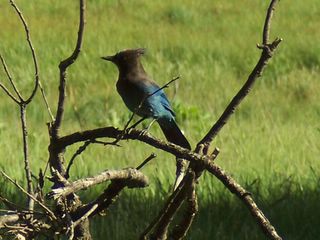
Steller's Jay (Cyanocitta stelleri) - This bird is closely related to the Blue Jay. Its head and upper body are black, while the lower part of its body is blue. It lives in coniferous and mixed woodland in the western part of North America. It is also known as the Mountain Jay, Pine Jay and the Long Crested Jay. It is the only crested Jay west of the Rockies.

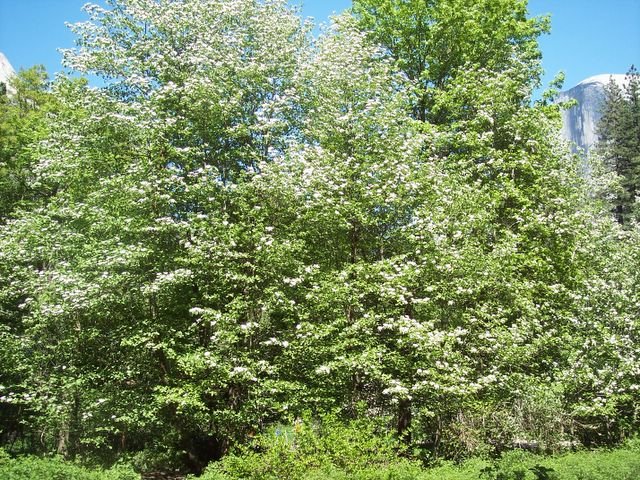
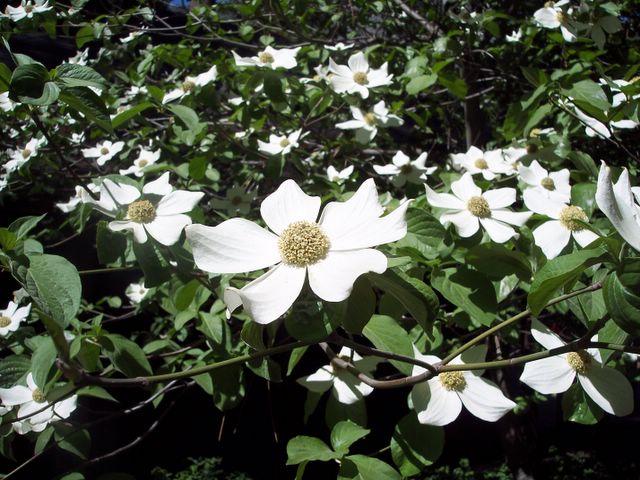
Pacific Dogwood trees (Cornus nuttallii)- these trees were blooming all over Yosemite Valley. They also produce small, red fruits, which are edible, but don't taste very good.

Dogwood flowers

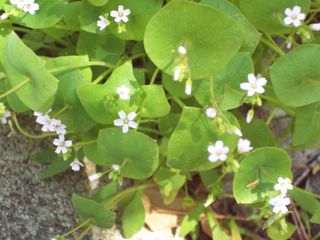
Miner's Lettuce (Claytonia perfoliata) - this plant gets its name from the miners who ate this plant as a way to get their vitamin C to prevent scurvy. It can be eaten, and some say its taste resembles spinach. It grows in moist, shady areas. The leaves turn a deep red color as they dry out.

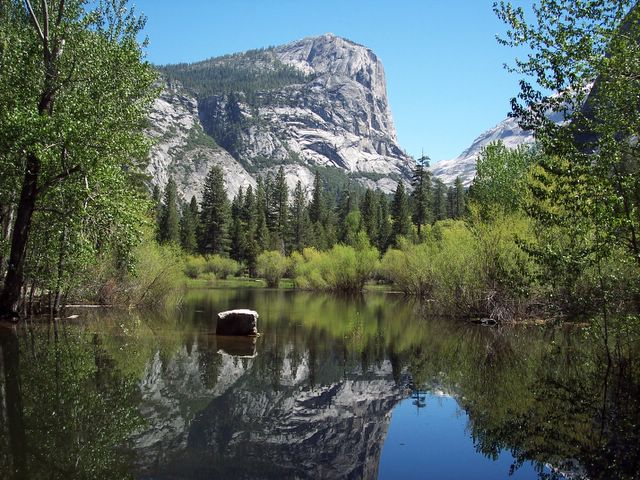
The lower part of Mirror Lake - It is an easy, 1 mile hike from the shuttle bus stop, on a nice, paved road to Mirror Lake. Vehicles with a handicapped placard may drive up the road, and bicycles are also permitted. But you have to stop and park your rented bicycles when the road gets steep. There are also 2 bathrooms on the trail, but no drinking water is available, so bring your own.

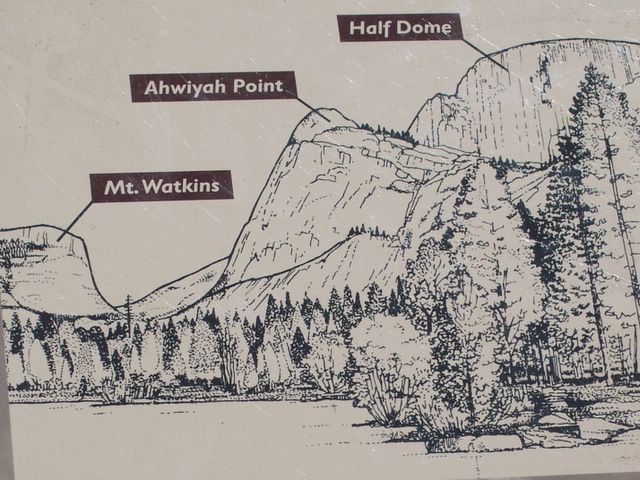
Sign at Mirror Lake showing the landmarks surrounding it (Cloud's Rest is in between Mt. Watkins and Ahwiyah Point) . The Native Americans of this region called this place, "Ah-Wie-Ya," meaning "Quiet water." The lake itself is quite shallow, and in probably 50-75 years, the lake will be filled by sediment of decomposed granite and silt, unless preventative measures are taken.

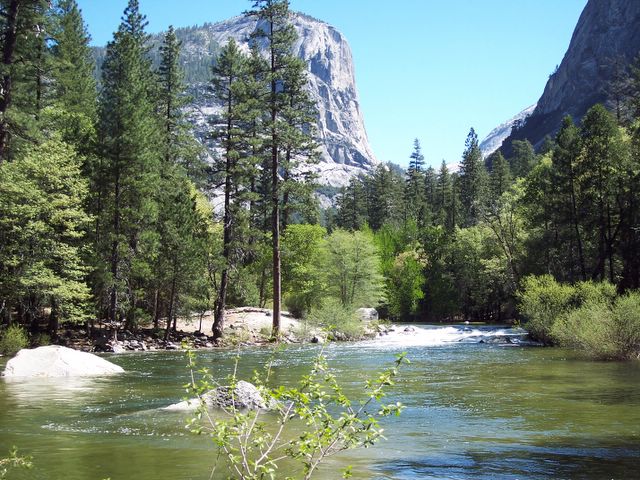
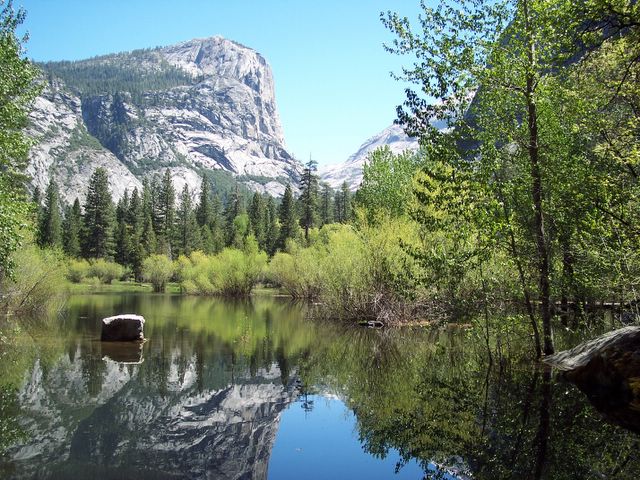
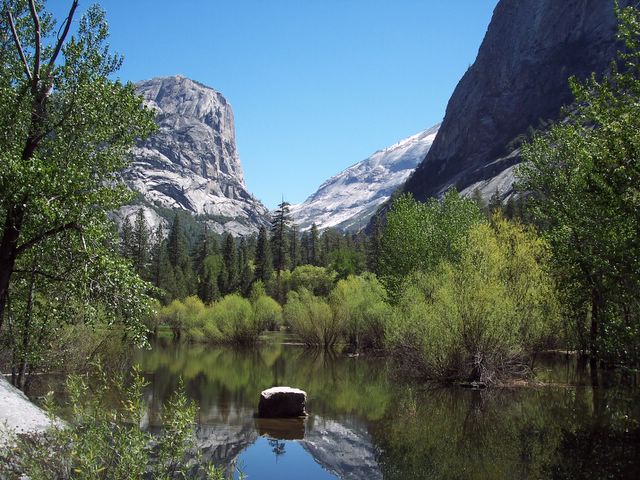
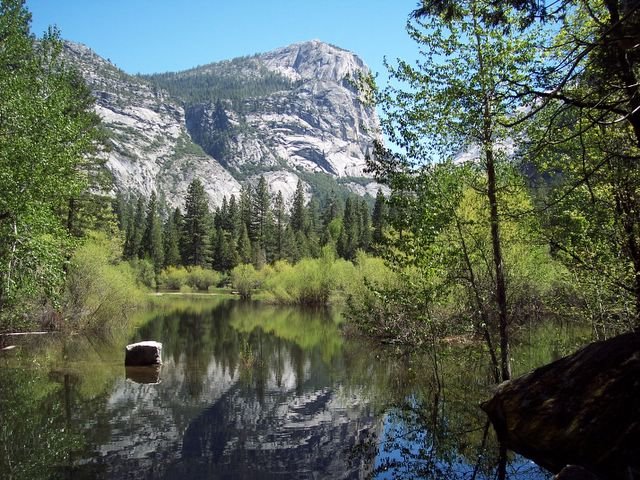
Mirror Lake - the final hike of the trip and what a beautiful place it is. Mirror Lake is actually only a "lake" in the spring and early summer, then it dries up and becomes part of the meadow.

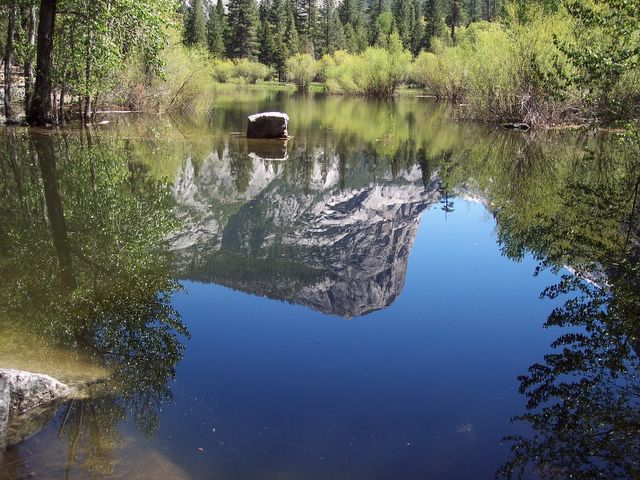
The reflection of Mt Watkins in Mirror Lake

Mirror Lake - I just sat here for a while, marveling at the beauty of this place and listening to the birds.

Mirror Lake - Mt Watkins is on the left

Mirror Lake

It is easy to see how the lake got its name.

Sunday, May 07, 2006

Carrizo Plain - May 2006

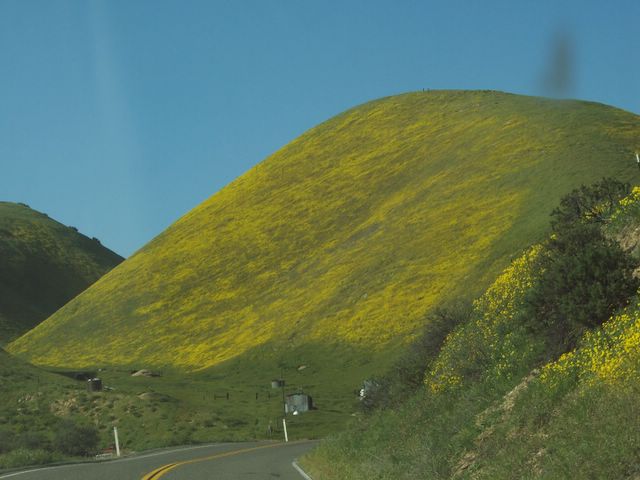
I took a drive to Carrizo Plain again on Saturday, May 6th. It was a slightly overcast day, but warm and breezy. Being that it is May, I wanted to catch the last bit of the wildflower season. It has changed a lot over the last few weeks. The fields of gold have pretty much disappeared, but some other flowers that I didn't see last time have arrived. These include the Thistle Sage, Chia and Farewell to Spring. Gone are the fields of Goldfields and Tidy Tips, though a few remain here and there. Some poppies were sprouting up on the roadside.

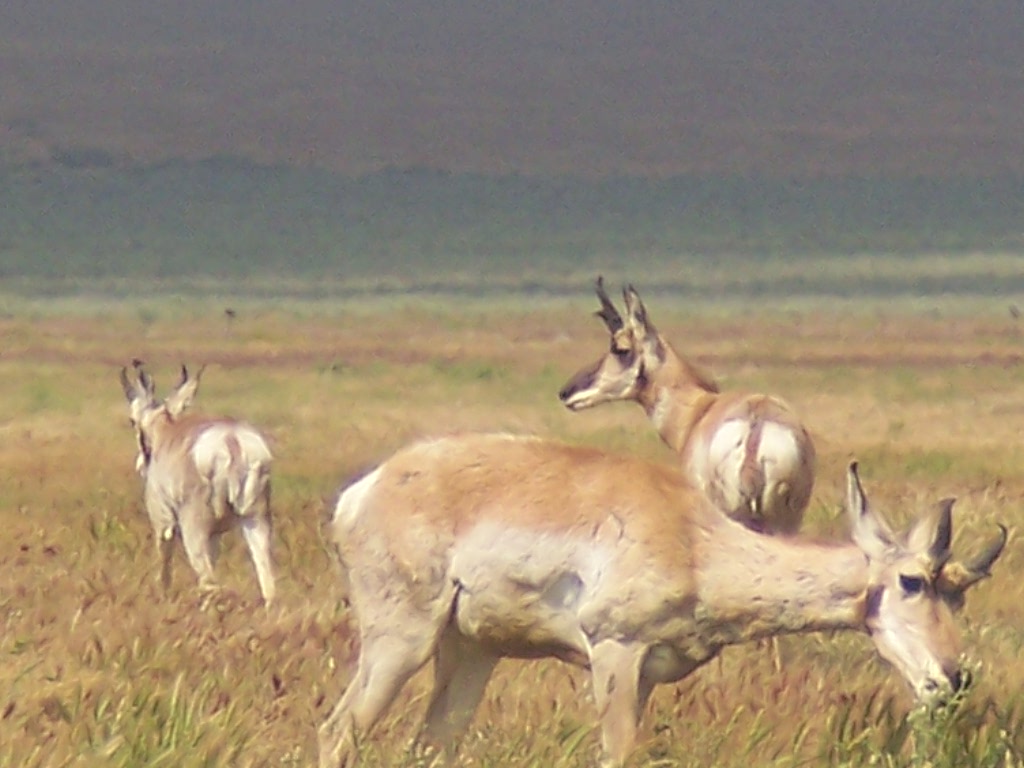
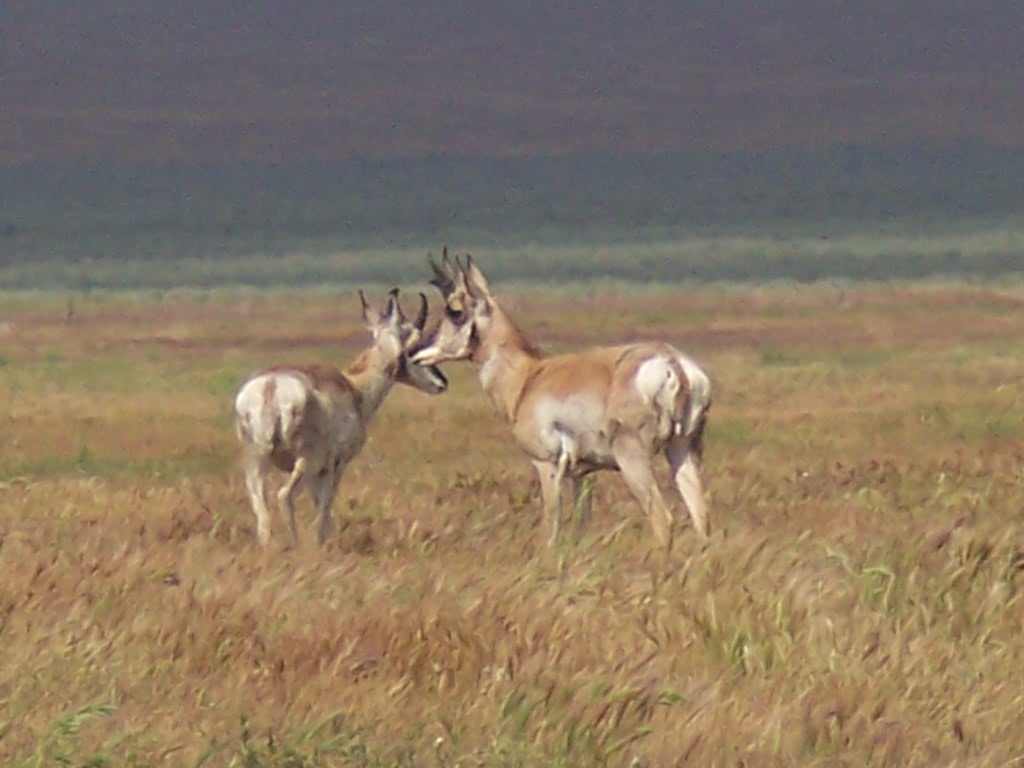
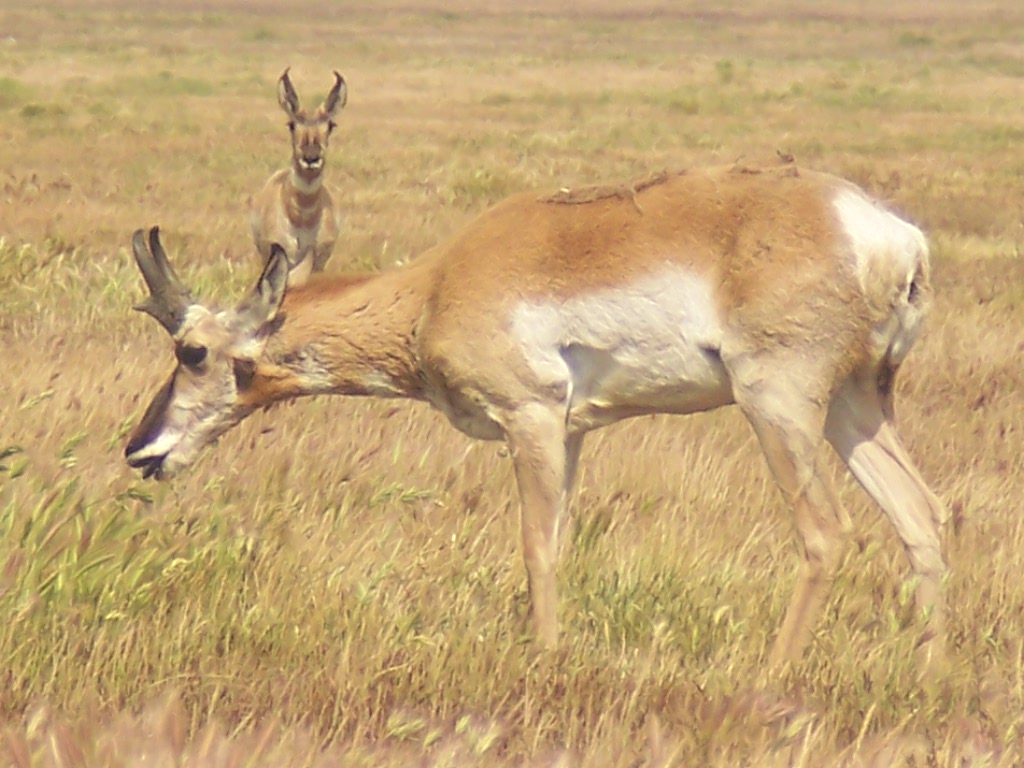
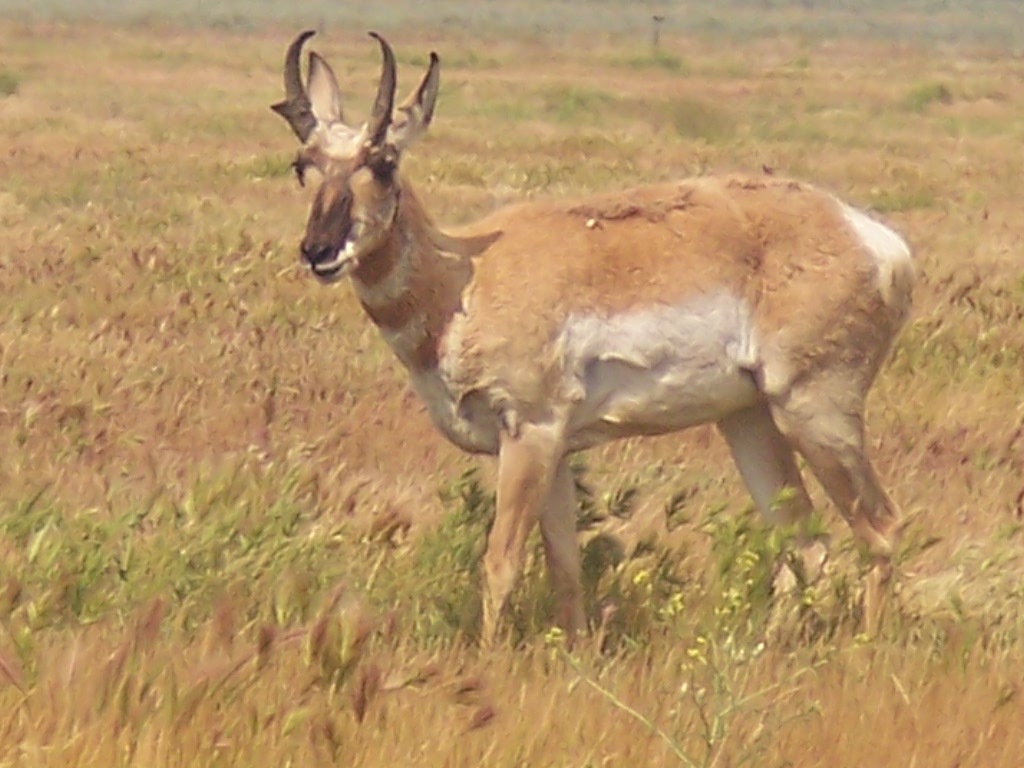
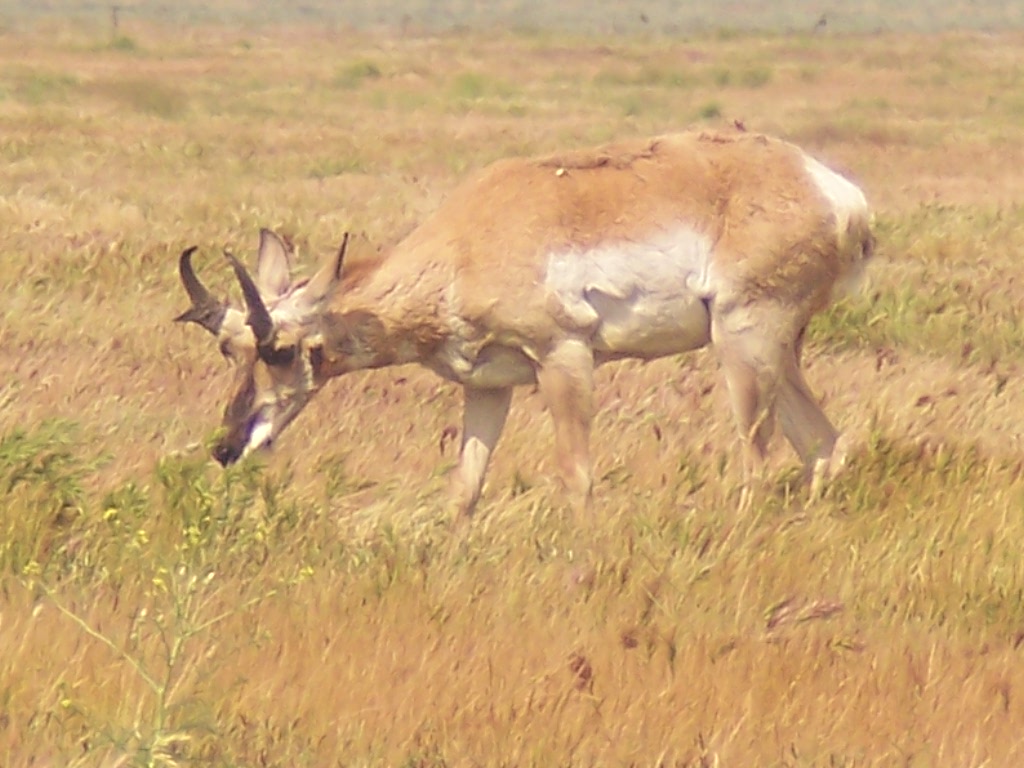
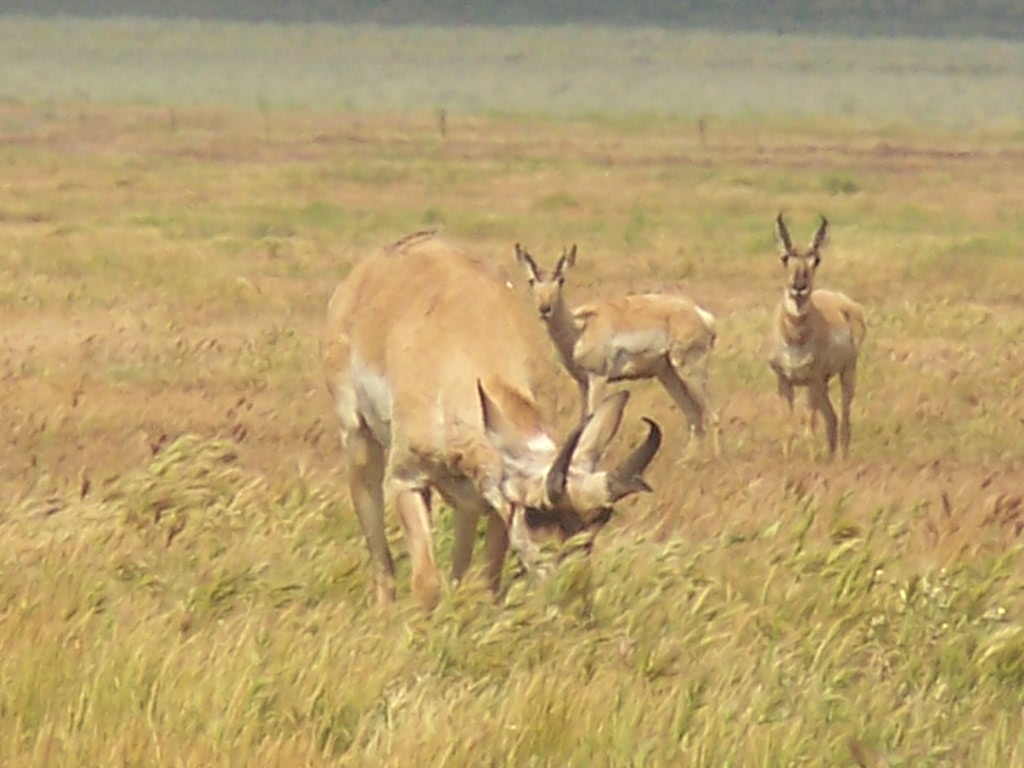
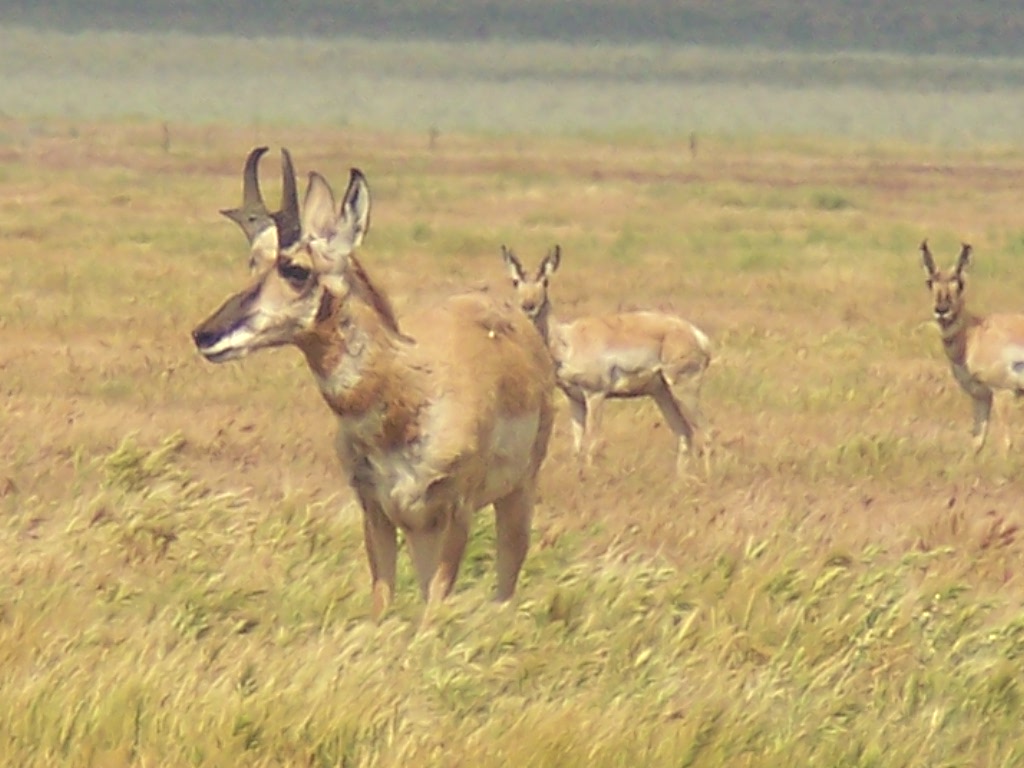
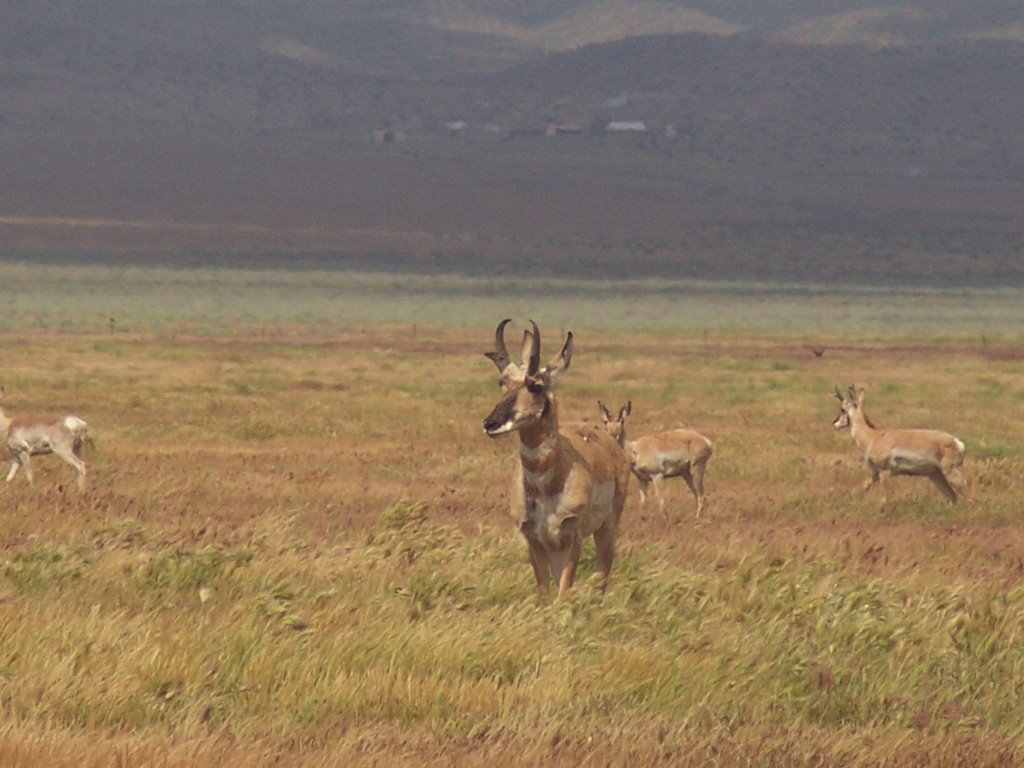
The pronghorn were out in the fields. I even spotted a mamma and baby, though they were too far away to capture on my camera. Up the road I came across a small herd of them, and the apparent lead male (or so he seemed to be) came maybe withing 15 feet of my car. I guess once he figured out I wasn't gonna hurt him, he eased up enough to come closer, but he still kept a watchful eye on me at all times.

The snakes were out in abundance this time, a creature that was notably absent from my previous visits. I came across 5 snakes...3 rattlesnakes and 2 gopher snakes... on this trip. The snakes I found lying in the road I moved to the side of the road by pushing them with a stick, since I didn't want them to get run over. I also came across a Desert Tarantula in the same situation and carefully moved it over to the side of the road as well. After spending a few hours up there, I headed home, but stopped by the Tule Elk State Reserve on the way back, wanting to take a few pictures, but unfortunately, they were too far away from the fence to make out. Maybe another time.


Moon thru the trees

Pronghorn Antelope


Pronghorn Antelope (Antilocapra americana) on The Carrizo Plain, the fastest land animal in North America. Males can be distinguished from the females by a broad black patch of hair on their snouts and a black neck patch. Both males and females have horns, with the female's horns being no more than 3-4 inches. The male's horns can be as much as 20 inches in length and have a prong protruding forward.

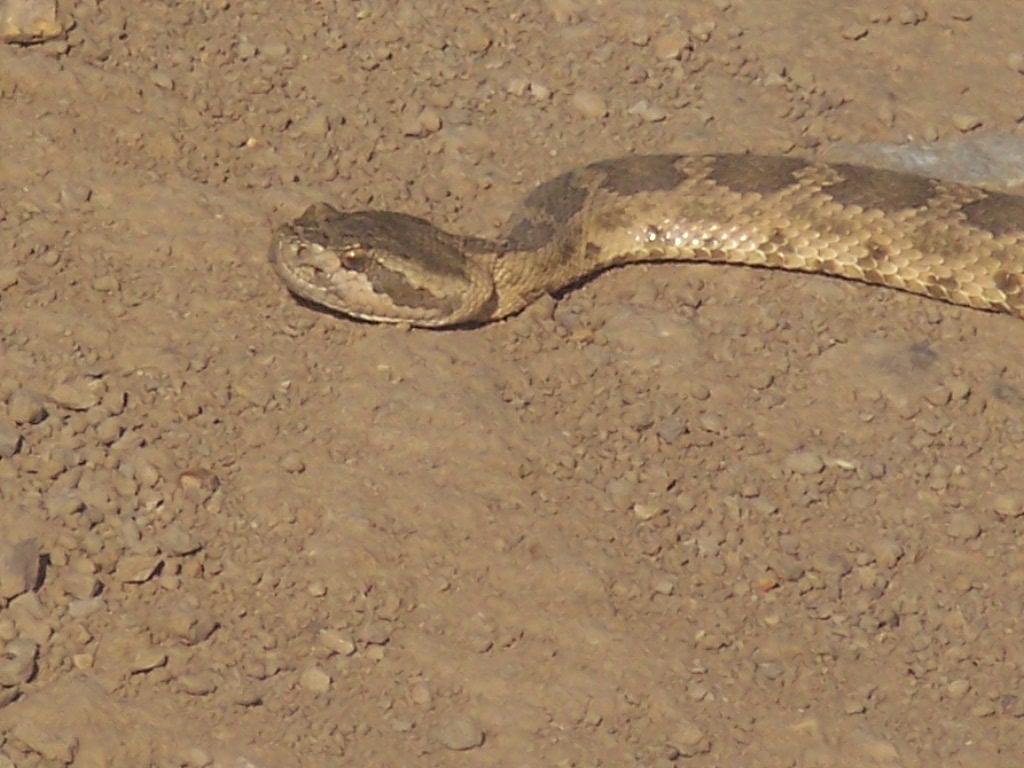
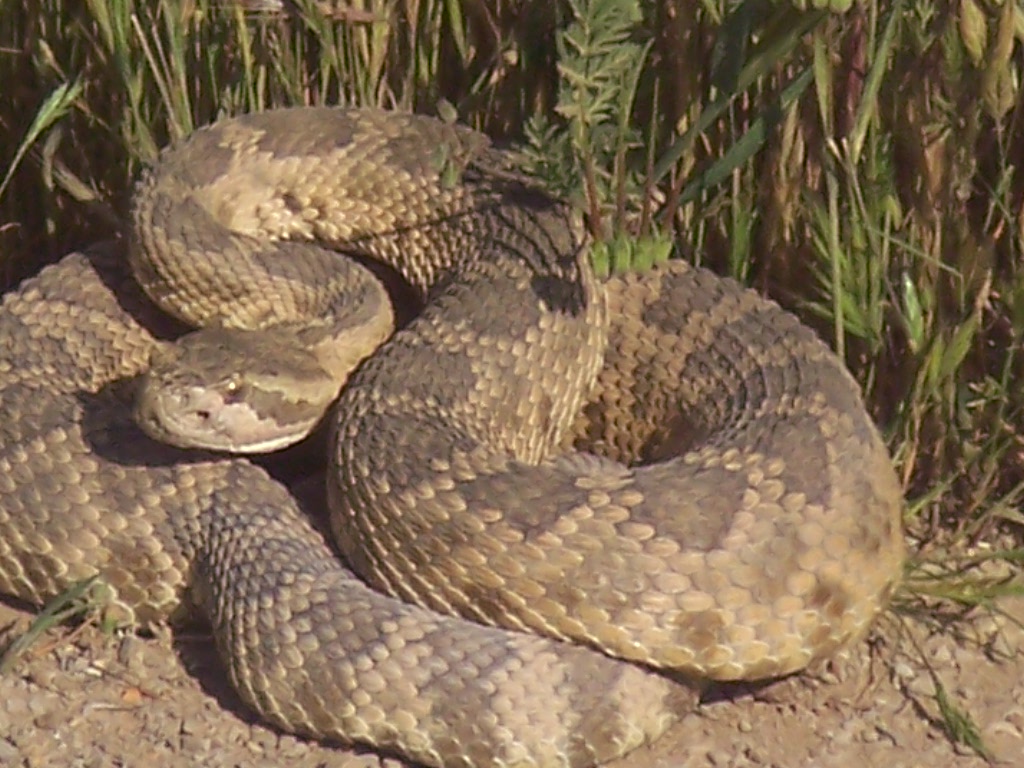
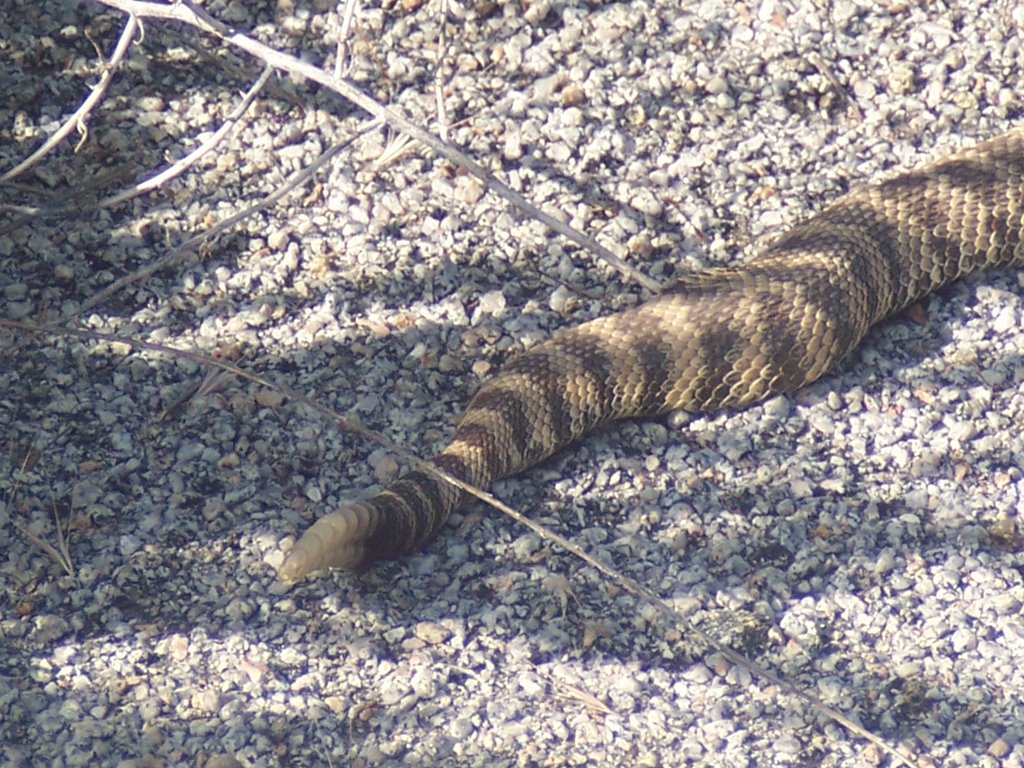
Western Rattlesnake #1


This was the first rattlesnake spotting of the day. This guy was spotted by the bathrooms at the Goodwin Education Center. A visitor pointed him out to me. Apparently, he had had some lunch earlier, as he had a bit of a tummy bulge. He wasn't very large...only a foot or so in length. He didn't put up any fuss. He quietly slithered away under the shed after a few minutes.

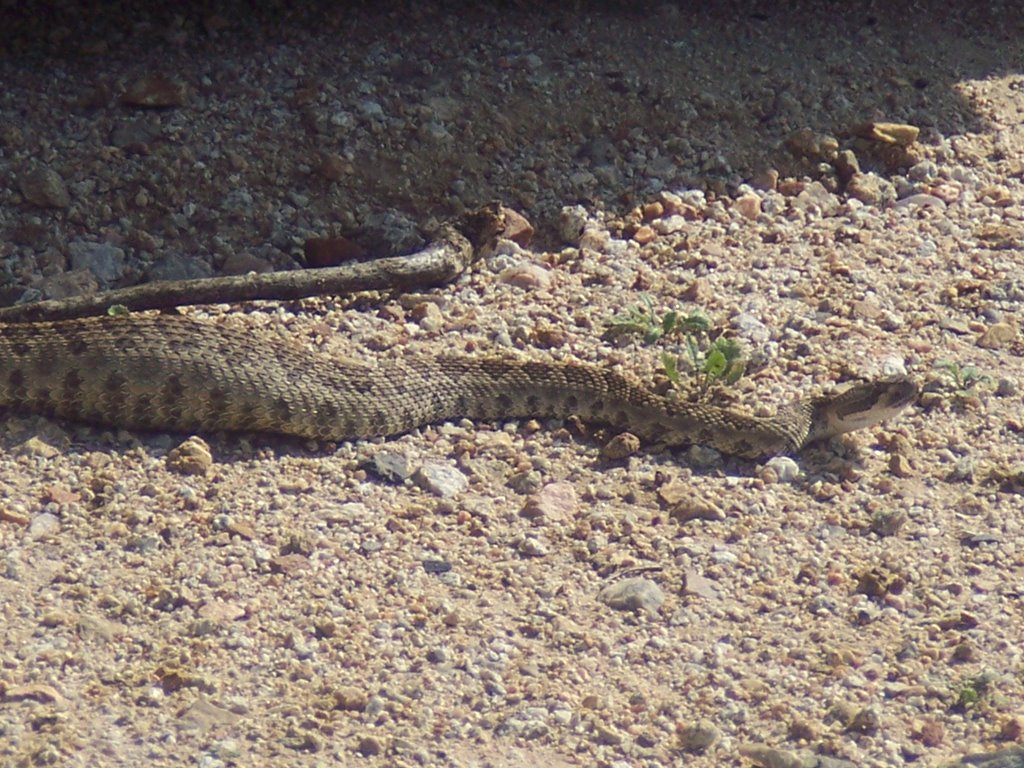
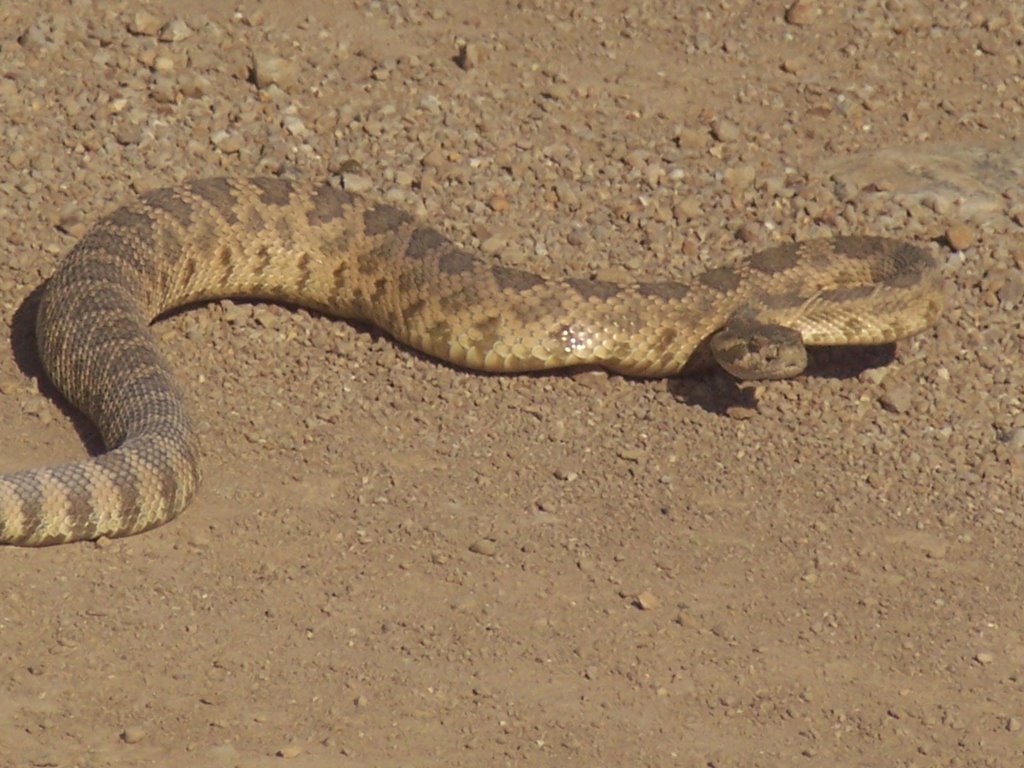
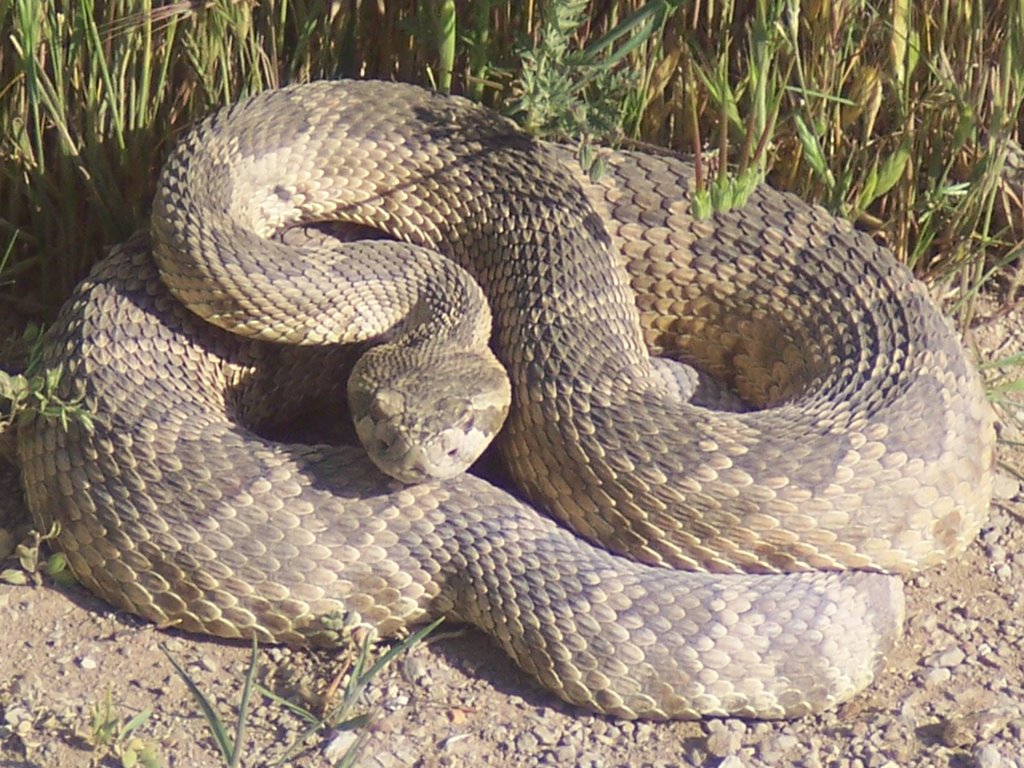
Western Rattlesnake #2


This was my second Western Rattlesnake (Crotalus viridis) spotting of the day. I spotted this guy as I was driving down Seven Mile Road, a dirt road that connects Highway 58 to Carrizo Plain. This guy was pretty big. I would say 2 1/2 - 3 feet in length. He was lying across the road. I didn't want him to get hit by a car, so I found a stick and pushed him off the road. He didn't like it too much, judging from his coiled up stance, but at least he won't get smooshed!

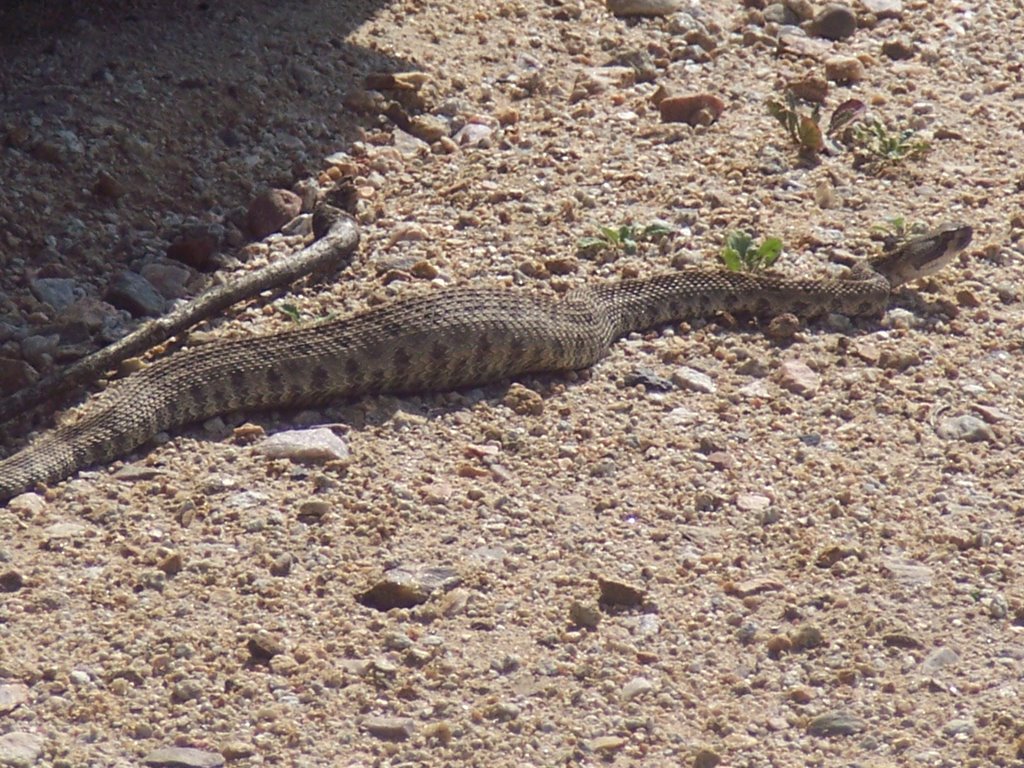
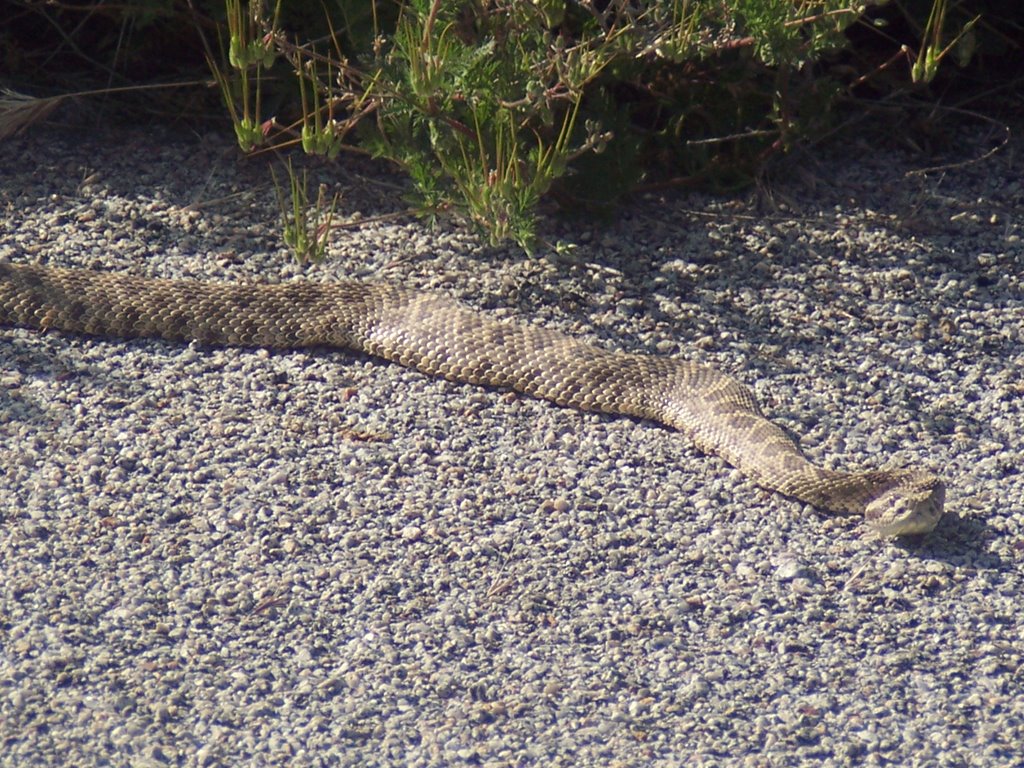
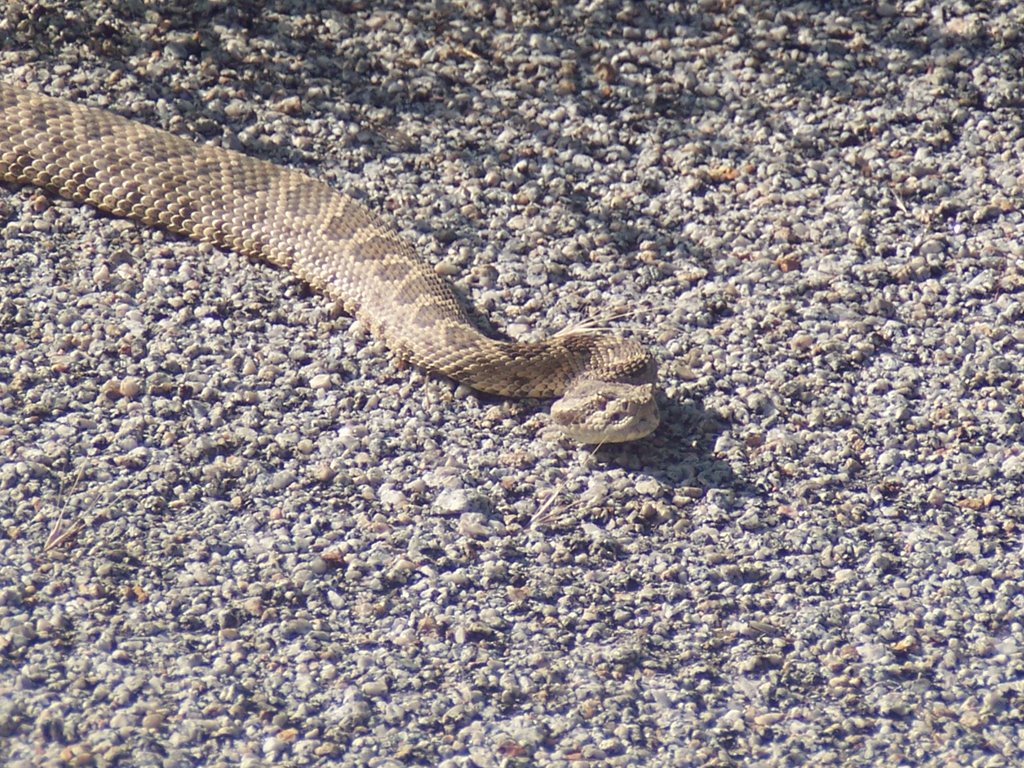
Western Rattlesnake #3


Yet another rattlesnake sighting. Boy the snakes were out in abundance! This guy was also spotted on Seven Mile Road, not 2 miles down from the last one. This guy was smaller, maybe 1 1/2 - 2 feet in length. He was also more agressive, putting up quite a show when I pushed him off the road. (The stick was long. I was in no danger of getting bitten. Crocodile Hunter I am not!!! I am also not stupid - lol). He rattled his tail at me and coiled up, but never made an attempt to strike at me. Rattlesnakes get a bad rap by people who think they are out to kill, when they just want to be left alone. They don't want to waste their venom on people. They know we are too big to eat.

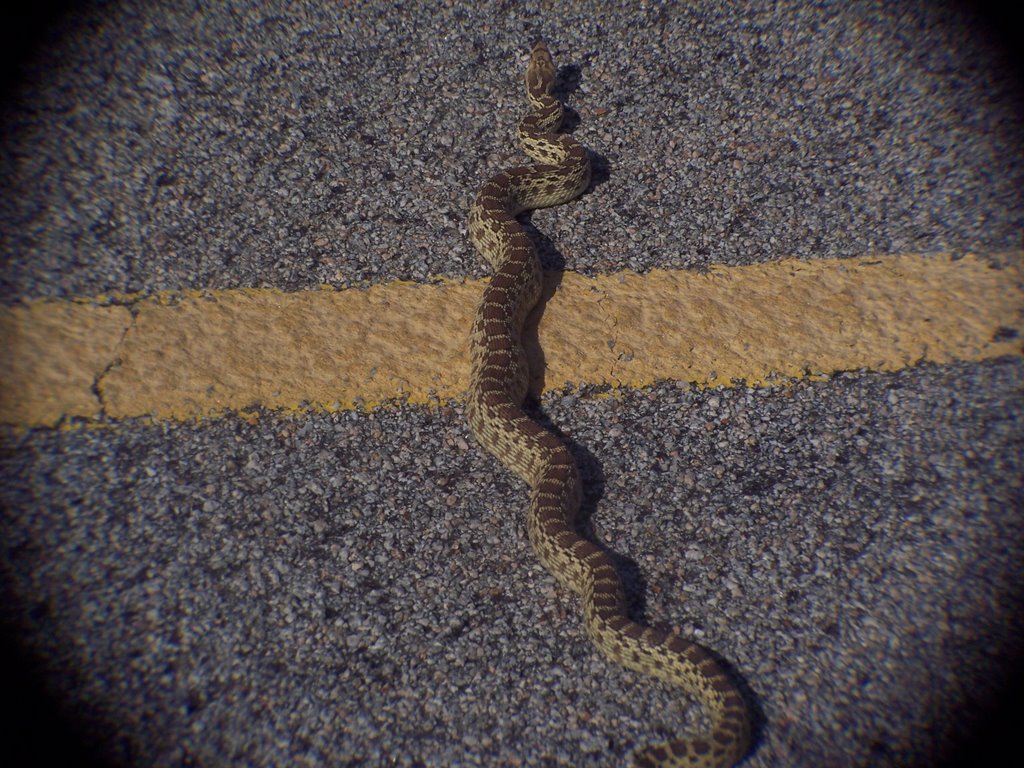
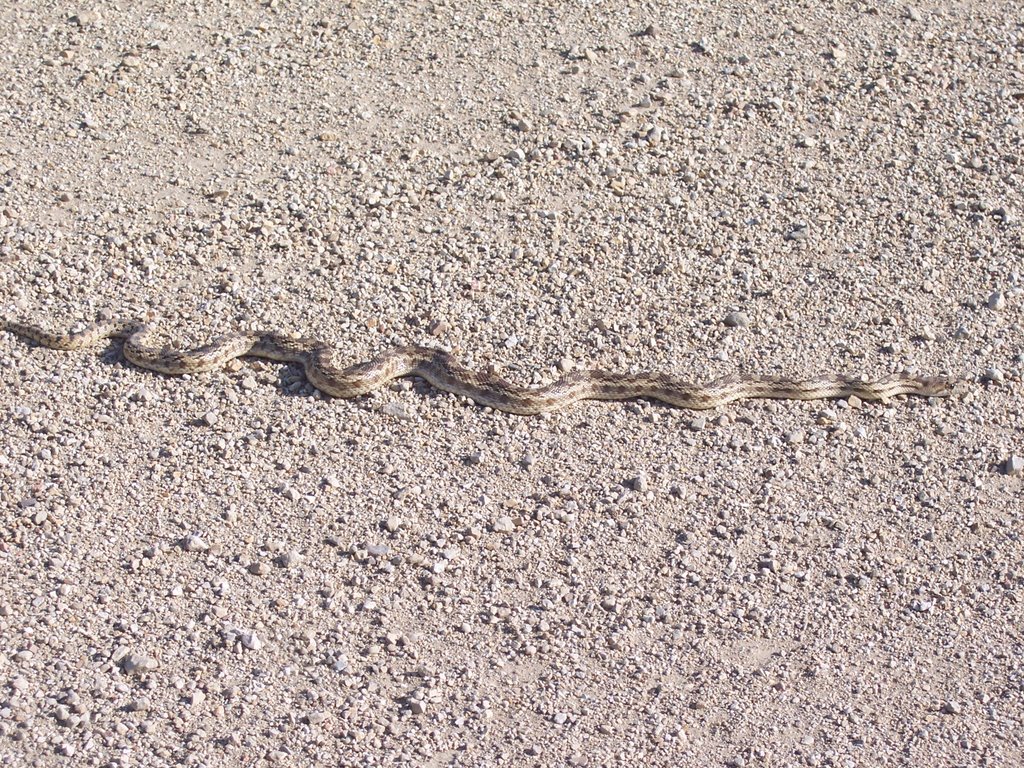
This 1st Gopher Snake sighting on Carrizo Plain


Also out in the sun were the gopher snakes. This guy was about 2 1/2 feet long, and boy he did not like me! He coiled up and hissed at me, but better to hiss at me and get mad than to get smooshed. He was on the main road lying across it and surely would have gotten run over by a car. So I got out and eased him off of the road. But I took his picture first.

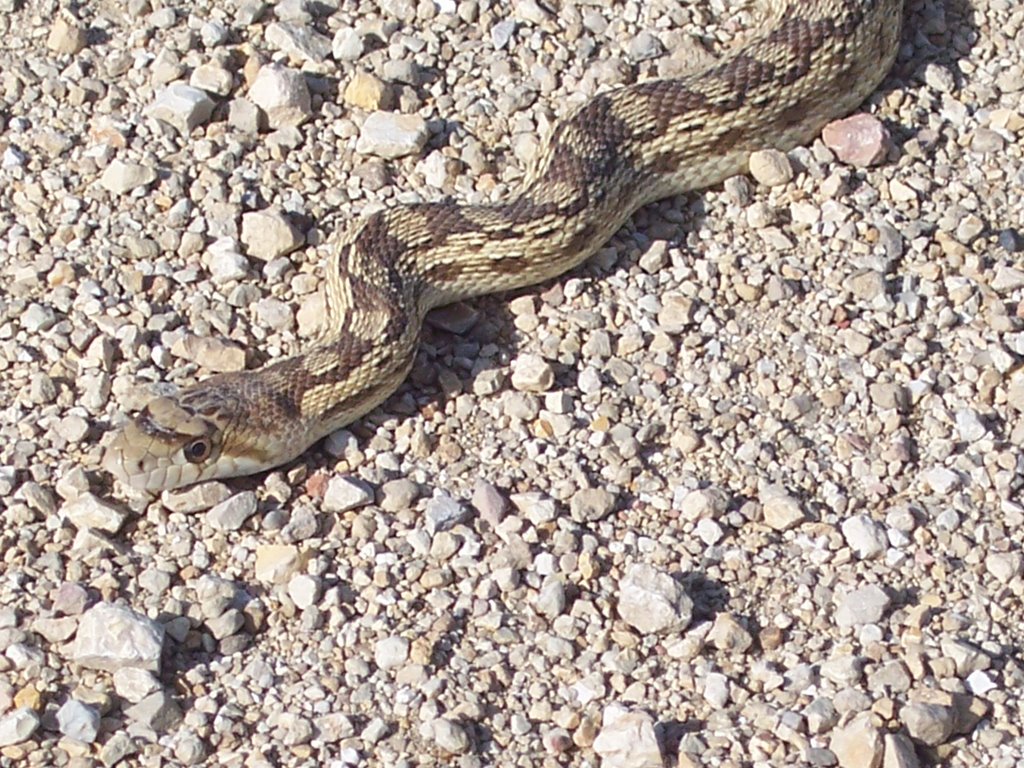
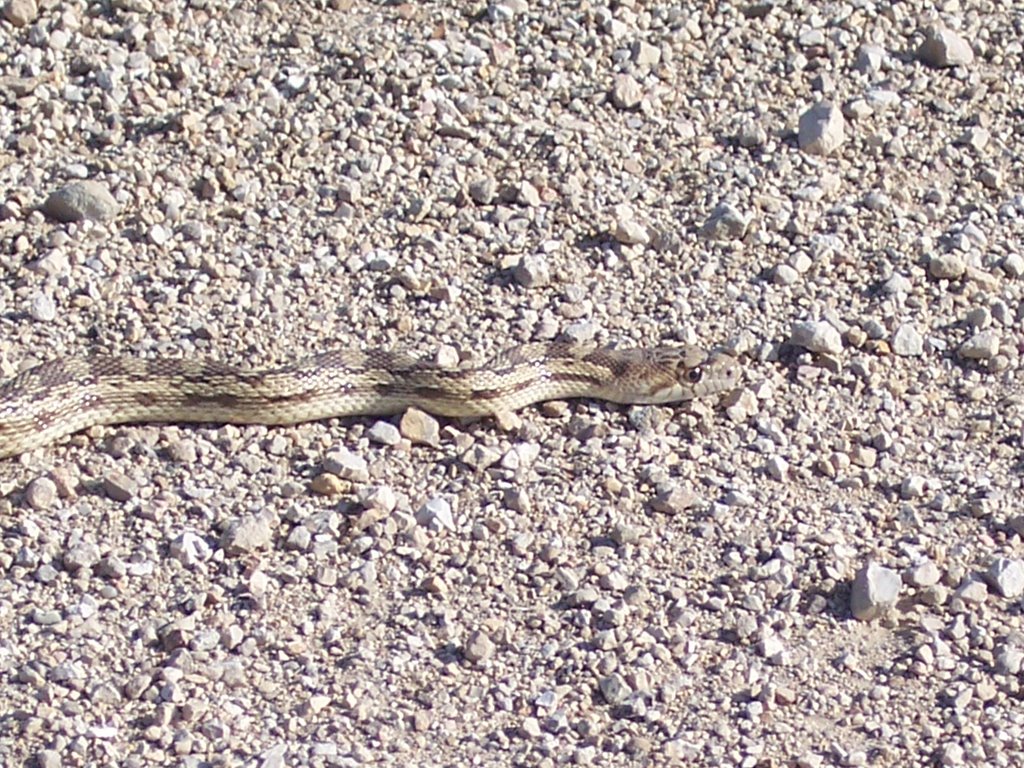
This is the second Gopher Snake I saw that day


This was the second gopher snake (genus Pituophis) sighting. Gopher snakes are not poisonous. They kill their prey by constriction and suffocation. They often try to immitate a rattlesnake by coiling up and hissing and vibrating the tail. This guy was a small one, maybe a foot long.

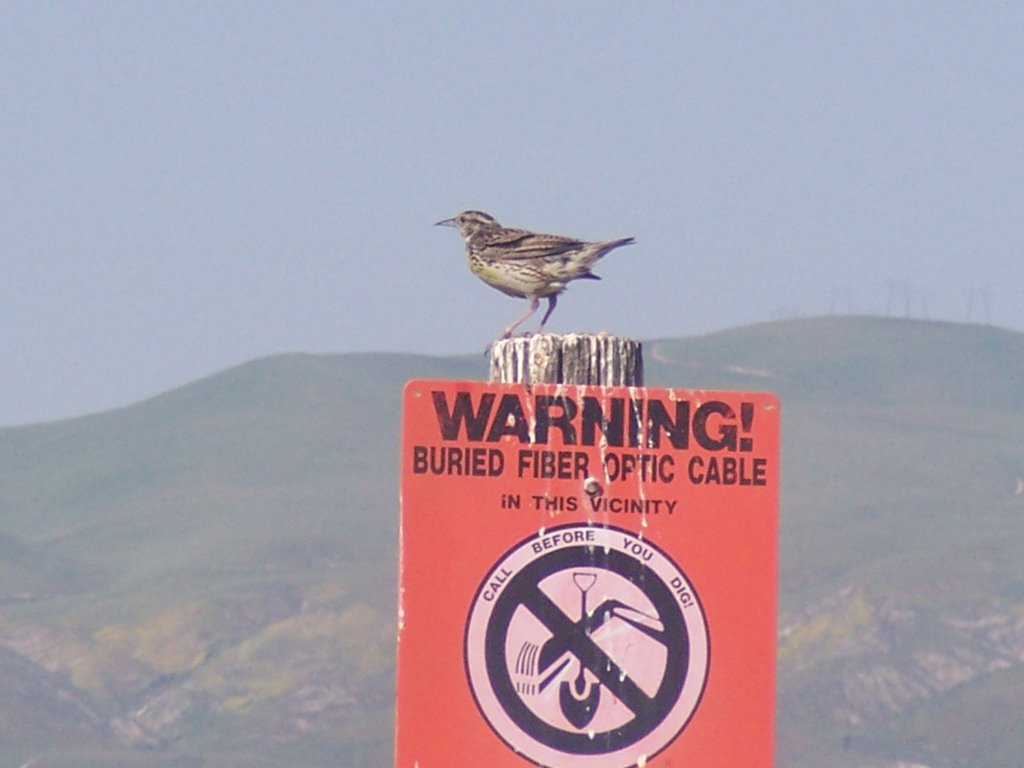
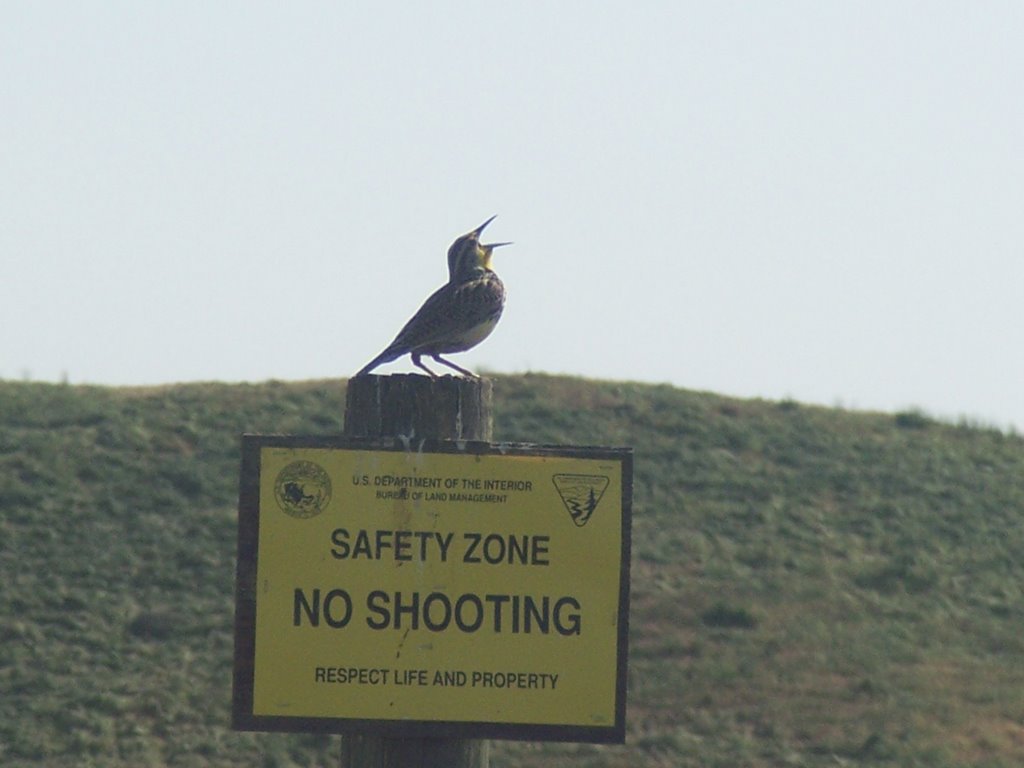
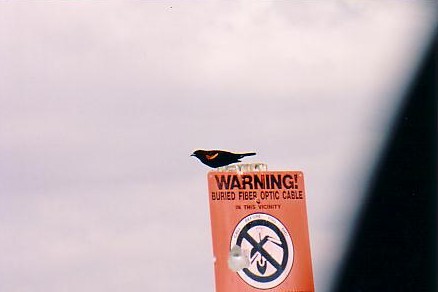
Some birds on the Carrizo Plain


Western Meadowlark


Western Meadowlark singing a song


Red-Winged Blackbird

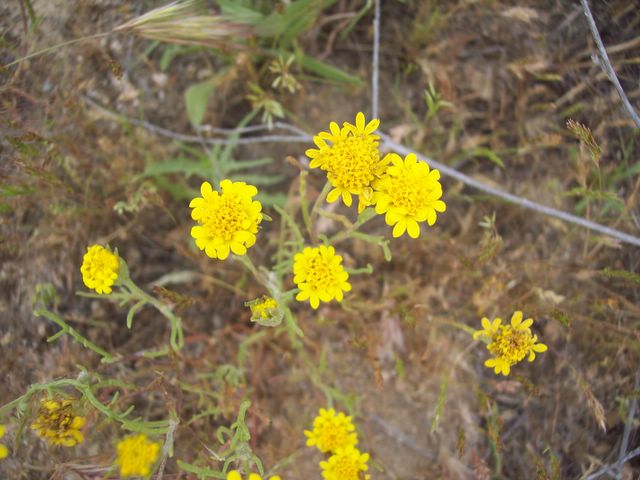
Tidy Tip


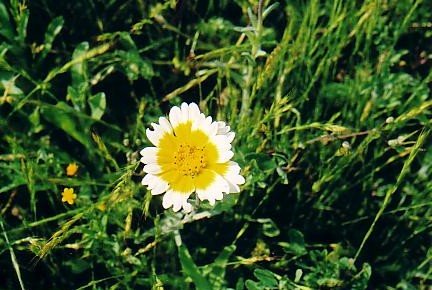
Tidy Tips (Layia platyglossa) - wildflower native to California and thrives in dry, arid regions.


Yellow Pincushion (Chaenactis glabriuscula) - blooms March thru May


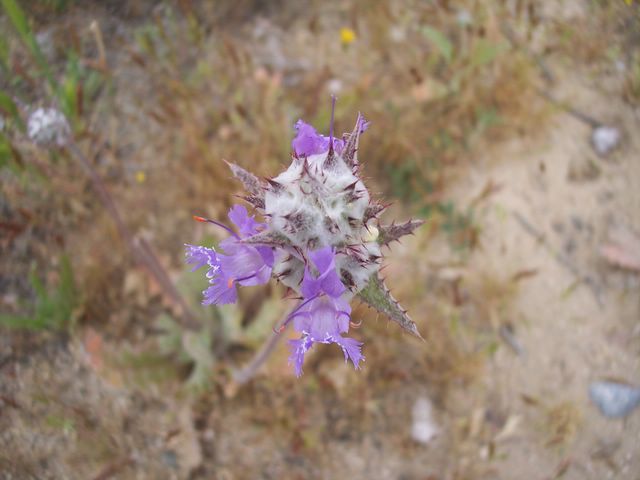
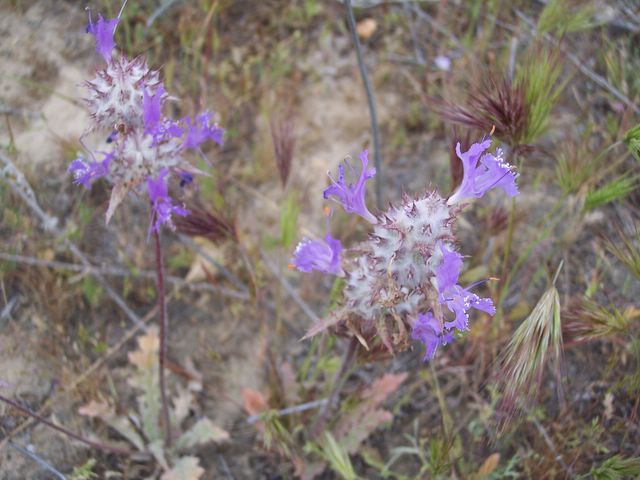
Thistle Sage (Salvia carduacea) - blooms March thru June. It grows in dry, sandy or gravelly places, and also in the desert.

Thistle Sage

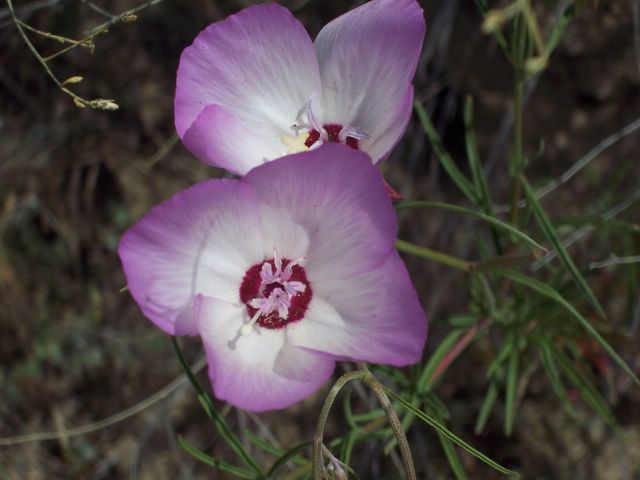
Farewell To Spring (Clarkia amoena) - can be found late April thru July. They grow all over dry hills.

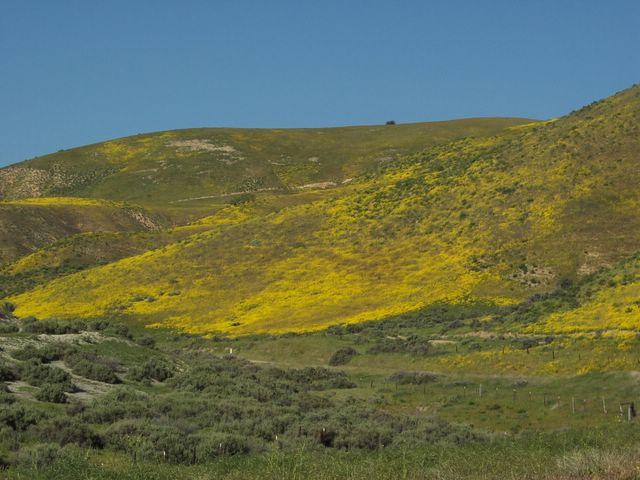
This may be the last of the spring bloom on Carrizo Plain

There is still some color on the hills at Carrizo Plain

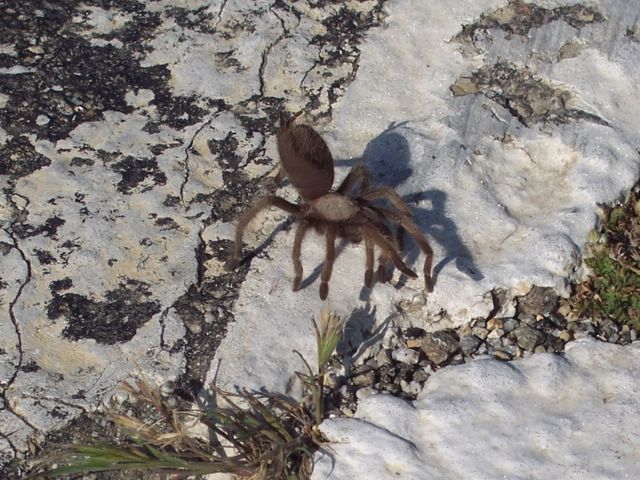
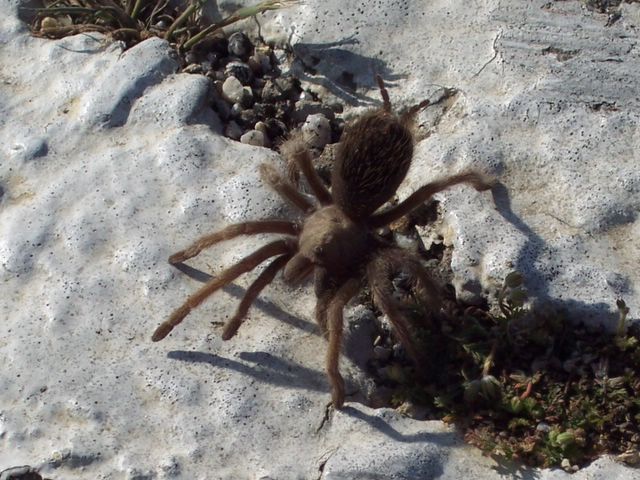
Desert Tarantula (Aphonopelma chalcodes) on Highway 58/Seven Mile Road intersection. Desert tarantulas can grow 2-3 inches long and is gray or brown in color. It is common to the Sonoran, Chihuahuan and Mojave deserts of Arizona, New Mexico and Southern California. Males are dark, almost black in color, while females are brown.

Desert Tarantula - despite its large size and almost frightening appearance, tarantulas are harmless to humans. Even though a tarantula can bite a human, it rarely does and its venom is considered non-toxic to humans. Males usually die a few months after mating, but females can live a long time and produce eggs for 25 years or more. This one was on the road, so I carefully pushed it to the side of the road so it would not be run over by a car.

Joshua Tree National Park


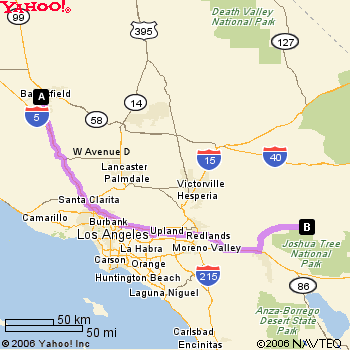
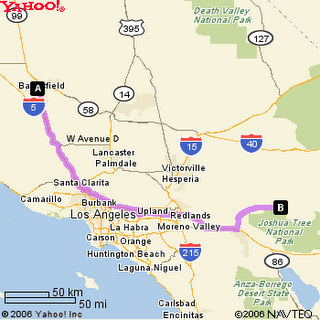
I took a drive to Joshua Tree National Park on Friday, May 5th, feeling like it would be one of my last opportunities this year to see the wildflowers. Plus, I had checked the weather and it was going to be in the low to mid 80's, so I figured it would be a good day to go exploring the park. I had never been there before, so I printed up some maps to the park and set off at 9:30 that morning.

It took about 4 hours to get there. With the LA traffic and some road work going on, there were some traffic delays. I arrived at the gate around 1:30. It was a sunny day and warm, but not really hot, with clear skies. Going through the entire LA area, it was very smoggy, so I was worried it would be smoggy in the park too, but it wasn't. It was typically breezy, as the desert tends to be. I entered the park through Joshua Tree Village. There are also entrances at Twentynine Palms and at Cottonwood Spring, which is 25 miles east of Indio. The visitor center is located at Cottonwood Spring, so if you want to go to the visitor center, it would be best to enter there. When I got to Cottonwood Spring, it was after 6 pm, and the visitor center closes at 4 pm. The cost to get into the park is $15 and it is good for 7 days. I have an Annual National Parks Pass which costs $50 annually, and it allows you to enter any national park, national monument or national preserve for an entire year, as many times as you wish. If you plan on doing a lot of trips to national parks, it is a good deal. You can get one at any national park or you can purchase it online HERE.

Joshua Tree National Park is a very large park. It covers some 800,000 acres, and two separate deserts, the Colorado Desert and the Mojave Desert, come together in the park.

The Colorado Desert is considered a low desert (below 3000 feet), and occupies the eastern half of the park. It is slightly warmer than the higher desert. Very few Joshua Trees inhabit this part of the park. In this part of the park, you see a lot of cactus and creosote bush. There is a "Cholla Garden" in this part of the park. There is a pathway you can walk through here. Be careful though...the cactus are very sharp. Also in this part of the park, there are some interesting looking plants called Ocotillo. These are tall plants with bright red flowers. There is a Ocotillo Patch where several of these plants grow. Also in this part of the park, there is Cottonwood Spring, one of several fan palm oases that occur in the park. In these oases, naturally occurring water springs can be found. These springs are extremely important to the desert plant and animal life.

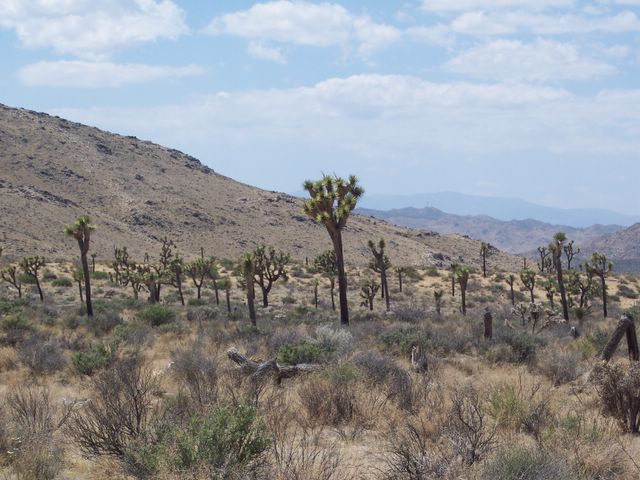
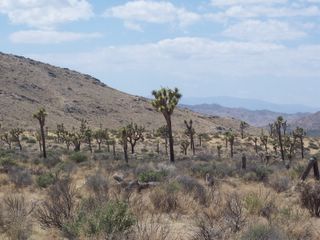
The higher Mojave Desert, which occupies the western half of the park, is the home of the Joshua Tree, for which the park is named. The trees grow in abundance here, making some parts look more like a forest than a desert. According to legend, Mormon pioneers thought the limbs of the Joshua Tree looked like the outstretched arms of Joshua, leading them to the promised land. Other people were not so impressed by the tree. John Fremont, an early explorer, thought the Joshua Tree was the ugliest tree in the plant kingdom. Joshua Trees are found only in North America, and only in the states of California, Arizona Utah and Nevada.

Also found in the park, are what seems like a neverending array of rock formations. In fact, the park is a favorite of rock climbers. Some interesting rock formations can be seen at places called "Wonderland of Rocks," "Jumbo Rocks," and "Cap Rock." Many of the campgrounds are also situated among rock formations, which provide shelter against the wind, and shade from the desert sun. Due to erosion from wind and from flash floods, the rocks take on strange and interesting shapes.

At first glance, the park seems without much animal life. It is a desert, so many animals are nocturnal. But if you look closely, you can see many animals and birds which make this place their home. Animals such as desert bighorn sheep, coyotes, kit fox, mule deer, rattlesnakes, lizards, and even toads can be seen in the park.


There are many things to do in Joshua Tree National Park, whether you want to go rock climbing or camping or hiking, or just want to go sight-seeing. There are about 9 campgrounds in the park, some being primitive with no water, and others being more modern, having flush toilets and available water. There are also several hiking trails for the experienced hiker, and also shorter nature trails. If you are a real trooper, you can go backpacking as well. Night time in the park is also a great opportunity to do some stargazing, away from the city lights. So bring a telescope or binoculars. Also, make sure you bring lots of water and sunscreen! I got a little sunburnt. But that'll teach me to bring sunscreen next time.

Links:

Joshua Tree National Park
Joshua Tree National Park Association
GORP Joshua Tree Ntl Park
Desert USA - Joshua Tree Ntl Park
California Guide - Joshua Tree Ntl Park
Mojave Desert
Colorado Desert
Campgrounds
Nature Trails
Hiking