Sunday, April 30, 2006


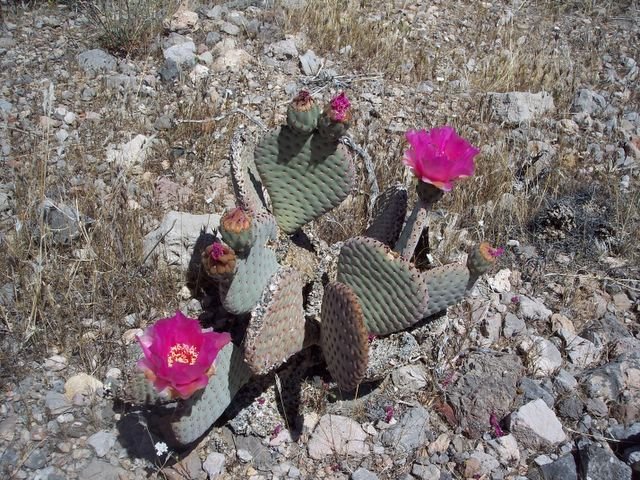
Beavertail Cactus

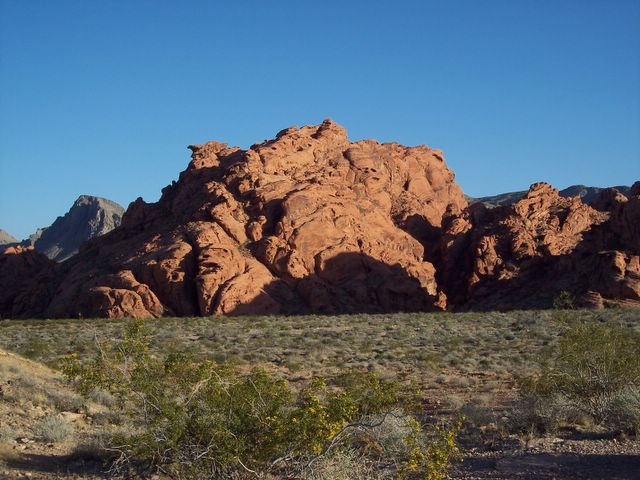
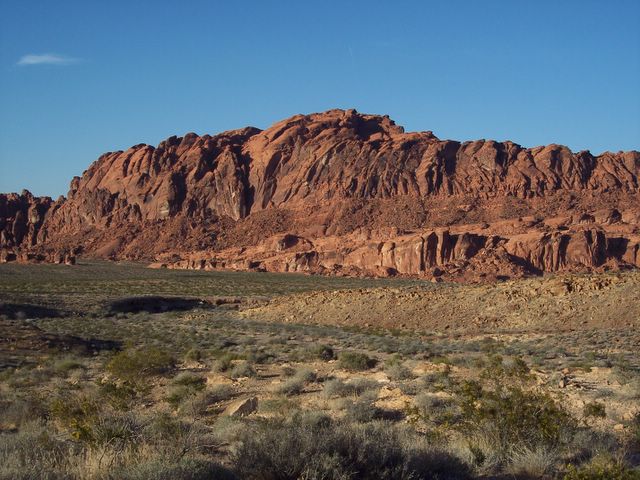
Evening at Valley of Fire State Park

Dedicated in 1935, Valley of Fire State Park is Nevada's oldest state park. It covers 34,880 acres. Throughout the park, you can see the brilliant colors of the sandstone rock.

Valley of Fire State Park

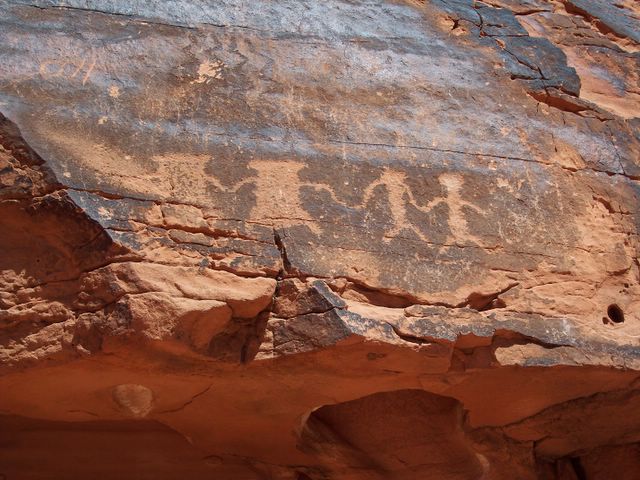
Prehistoric users of this area were the Ancient Pueblo peoples, also called Anasazi. You can see several examples of their rock art in the park.


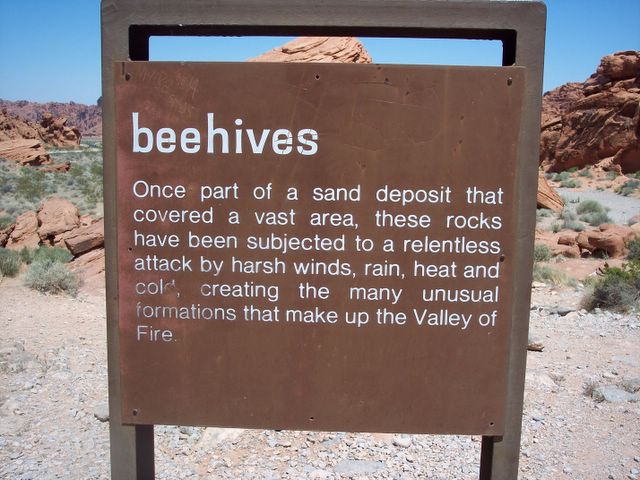
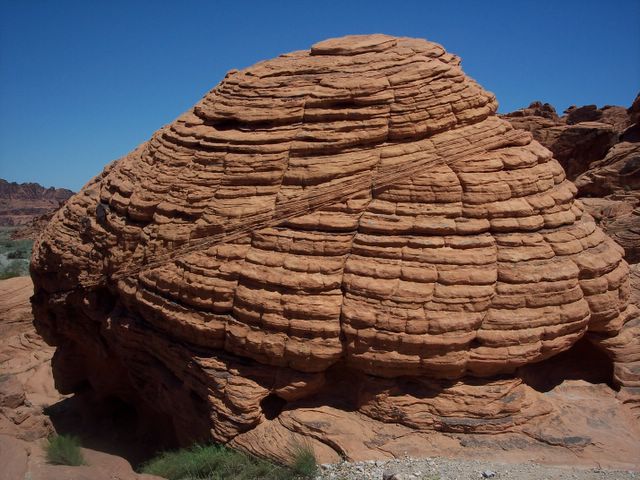
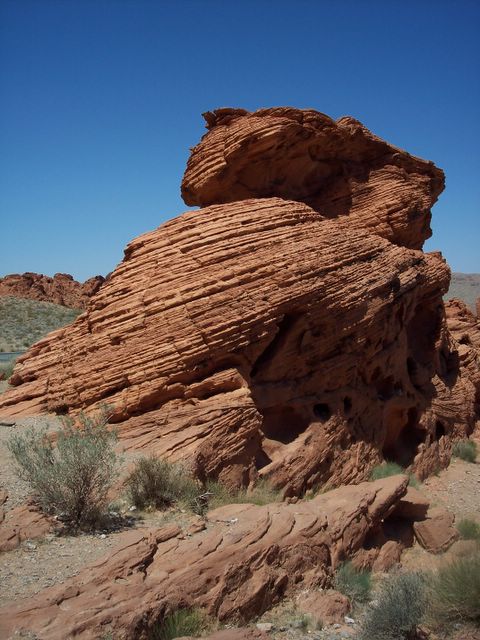
Beehives - one of the first viewpoints in Valley of Fire State Park

Beehives

These sandstone formations were formed as a result of wind and water erosion.

Beehives

Balanced Rock - near the Visitor Center

Balanced Rock is named so as the top part of the rock looks like it is precariously balanced on top of the bottom portion.

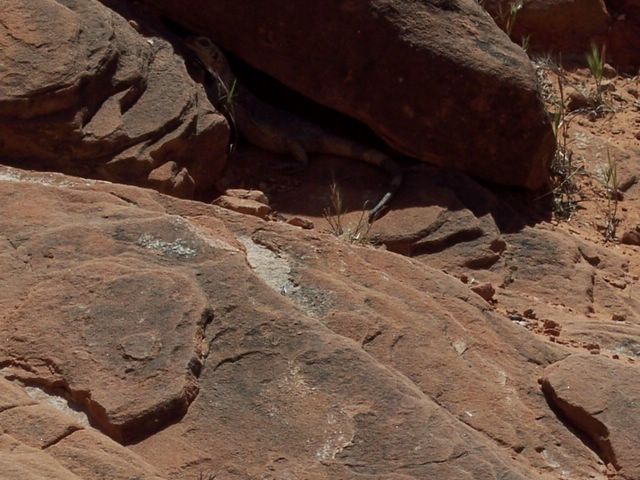
Chuckwalla (Sauromalus ater)

When this lizard senses danger, it will crawl into a crevice and inflate itself to make it too big for the predator to pull out. They can grow 11-18 inches long. They are diurnal, which means they are active day and night. They are often spotted lying on the rocks, basking in the sun, and they will continue to bask in the sun until their optimum body temperature of 100-105 degrees f is reached. They are strictly herbivorous, feeding on fruits, leaves, flowers and buds. This one was a youngster as he had colored bands on his tail. He is hiding in the shadow. Maybe if you click on the photo you can actually see him, but he is there! lol

Chipmunk by the car

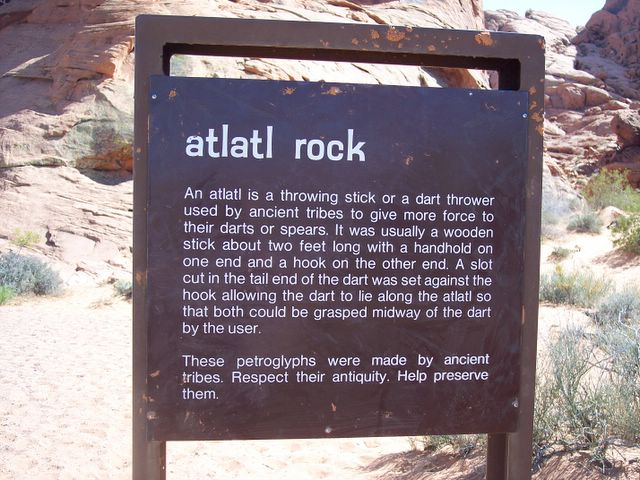
Petroglyphs on the trail to Mouses Tank

Petroglyphs probably had a deep cultural, religious and spiritual significance to the people who created them.


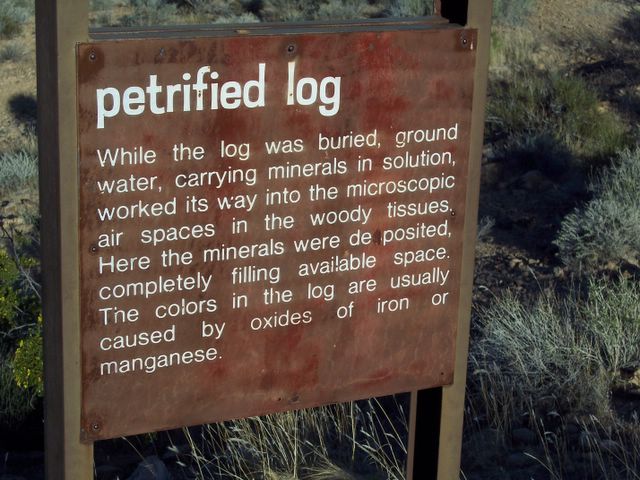
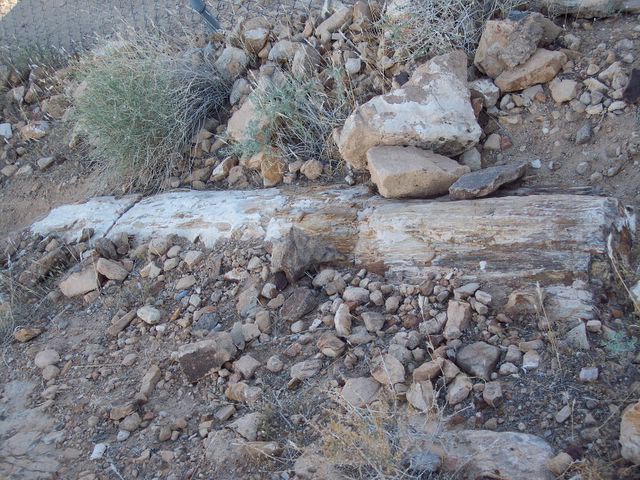
Petrified log - one of many in the park

Wikipedia's definition of petrified wood: "Petrified wood is a type of fossil: it exists of fossil wood where all the organic materials have been replaced with minerals (most often a silicate, such as quartz), while retaining the original structure of the wood. The petrifaction process has occurred underground, when wood became buried under sediment. Mineral-rich water flowing through the sediment deposited minerals in the plant's cells and as the plant's lignin and cellulose decayed away, a stone cast was formed in its place."

The pretrification process preserves all of the features of the original wood, right down to the microscopic level, including tree rings.


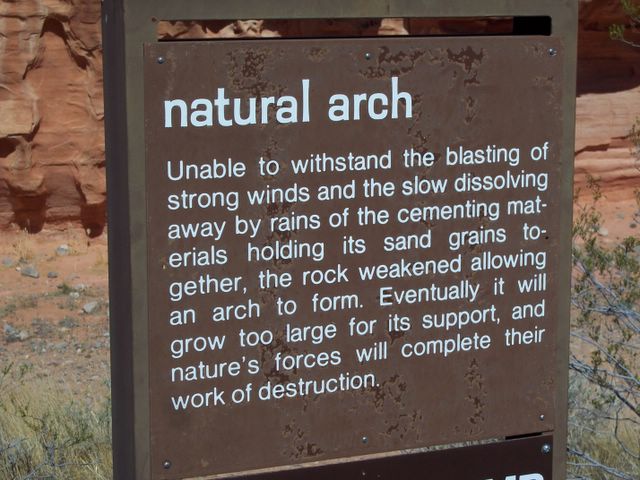
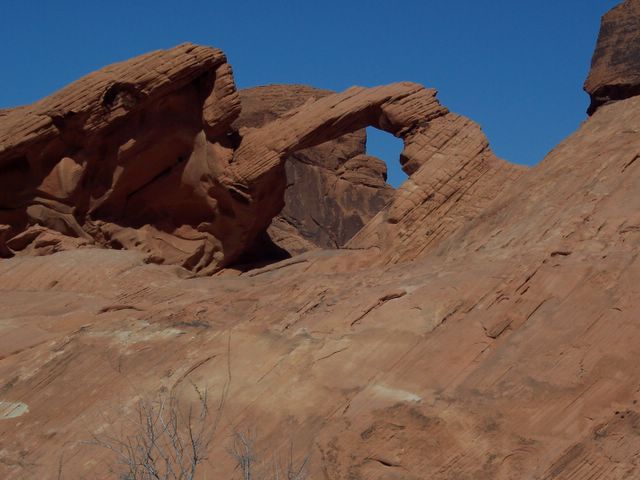
Natural Arch

Natural arches (sometimes also called bridges), can be formed by wind or water erosion.

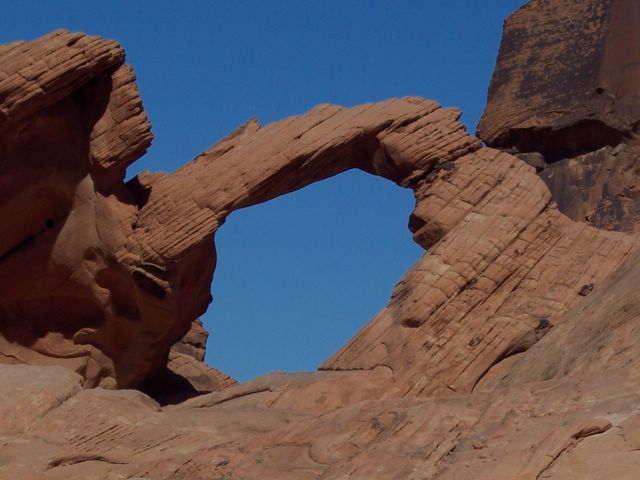
Natural Arch

Eventually, as with all rock arches, this arch will break and disappear due to its continued exposure to erosion.

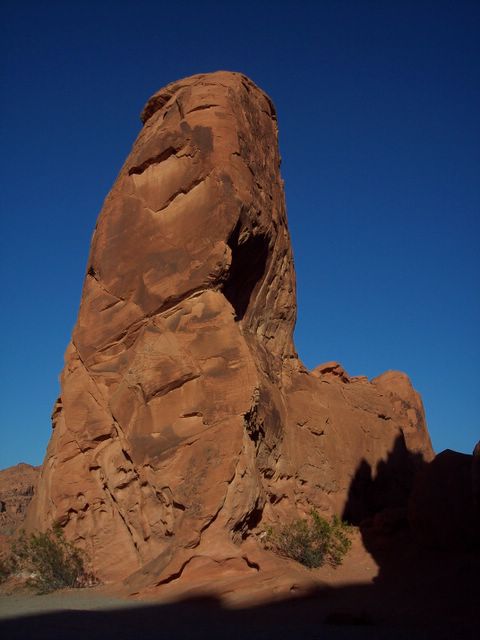
one of the "Seven Sisters" - a group of 7 pinnacles

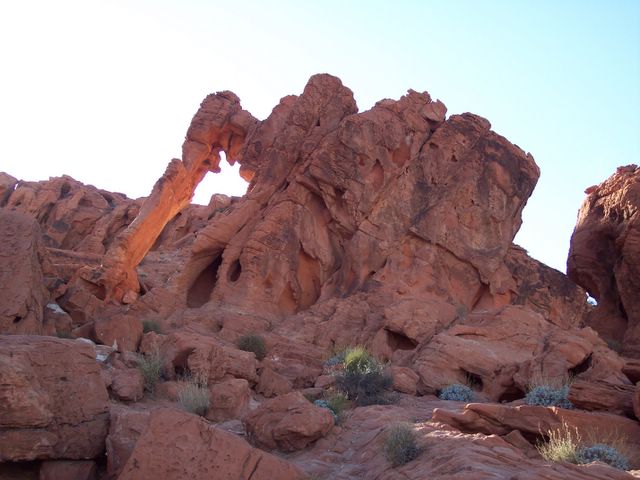
Elephant Rock

Named so for its resemblance to an elephant.

Elephant Rock - there is a trail to it but you can actually see it from the road